
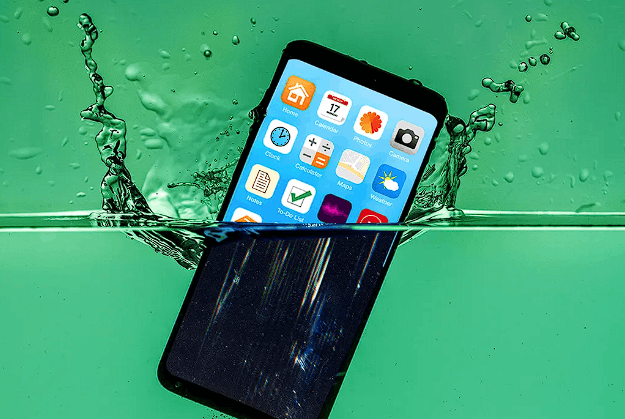
Sounds extreme.
But it’s not far from reality.
E-waste recycling isn’t just an environmental buzzword—it’s a growing necessity in a world drowning in discarded gadgets, cables, batteries, and broken screens that pile up faster than most people realize. I’ve seen households replace devices every couple of years without a second thought about where the old ones end up.
That’s where the real issue begins.
Electronic waste contains hazardous materials like lead, mercury, and cadmium, which don’t just disappear after disposal. They seep. They spread. They linger for years in soil and water systems, creating long-term damage that’s difficult to reverse once contamination starts affecting ecosystems and human health.
Short sentence. Big consequence.
At the same time, these devices also contain valuable materials—gold, copper, rare earth metals—that can be recovered and reused instead of mined again, reducing both environmental strain and production costs globally.
Why e-waste recycling matters more than ever:
- Prevents toxic pollution in landfills
- Recovers valuable raw materials
- Reduces demand for new mining operations
- Saves energy in manufacturing processes
- Supports sustainable consumption cycles
Let’s be real: most people don’t think about what happens after they throw away a broken charger or outdated laptop. I didn’t either for a long time. But once you understand the scale, it changes how you view everyday tech upgrades.
Comparison Table
| Factor | Without Recycling | With Recycling |
|---|---|---|
| Environmental Impact | High pollution | Reduced harm |
| Resource Use | Continuous mining | Material recovery |
| Waste Volume | Increasing rapidly | Controlled |
| Energy Consumption | Higher | Lower |
Another layer to this issue is the sheer volume of global e-waste. Millions of tons are generated every year, and only a fraction is properly recycled through certified channels. The rest? It often ends up in informal recycling sectors where unsafe methods like open burning or acid baths are used to extract metals.
That’s dangerous. Extremely.
Workers in these environments are exposed to toxic fumes and chemicals without proper protection, leading to serious health risks over time. Communities around these areas also suffer from contaminated air and water, making this not just an environmental issue but a public health concern.
Expert Tips for responsible e-waste handling:
- Use certified recycling centers instead of general trash disposal
- Wipe personal data before recycling devices
- Donate working electronics to extend their life cycle
- Store old batteries safely until proper disposal
- Avoid hoarding unused electronics unnecessarily
Interestingly, manufacturers are slowly stepping into the space by offering take-back programs and designing devices with recyclability in mind. Still, progress remains uneven, and consumer awareness plays a huge role in pushing this forward.
I’ve noticed that people who actively recycle their electronics tend to become more conscious about their overall consumption habits. It creates a ripple effect. Small action. Bigger awareness.
And honestly, that’s what’s needed—millions of small, informed decisions that collectively reduce the environmental burden of modern technology use.
I’ll pause here.
Consider this.
Your drawer probably holds at least one dead device right now.
That single item might seem insignificant, yet when millions of people do the same, the result is a silent accumulation of electronic waste that strains systems designed for much smaller volumes. I’ve opened old storage boxes myself and found cables, phones, and accessories I forgot existed.
That’s not rare.
That’s normal behavior.
E-waste recycling becomes critical here because storage and neglect are just delayed disposal, and delayed disposal often leads to improper dumping when people finally decide to “clean up.” The longer devices sit unused, the less likely they are to be recycled responsibly.
Timing matters. More than people think.
Another key reason this issue matters today is the resource scarcity problem. Electronics rely on finite materials, including rare earth elements that are difficult and environmentally costly to extract. Recycling helps recover these materials, reducing dependence on destructive mining practices that damage ecosystems and consume massive amounts of energy.
Truth be told, mining for new materials often causes more harm than people imagine, especially when compared to recovering the same materials from discarded electronics through structured recycling systems.
Pro vs Cons (Recycling Systems Reality)
Pros
- Conserves limited natural resources
- Reduces environmental degradation from mining
- Creates jobs in recycling and refurbishment sectors
- Lowers overall production costs long term
- Encourages circular economy practices
Cons
- Limited recycling infrastructure in many regions
- Lack of public awareness and participation
- Informal recycling sectors still dominate in some areas
- Initial setup costs for proper facilities can be high
- Logistics of collection and sorting can be complex
The imbalance here is clear. Benefits extend long term, while challenges are mostly short term and solvable with better systems and awareness.
Now, let’s talk about something often ignored: data security in e-waste recycling.
Many people avoid recycling devices simply because they fear their personal data might be recovered. That fear isn’t baseless. However, proper recycling centers follow strict data destruction protocols, ensuring that storage devices are wiped or physically destroyed before processing.
Simple step. Huge relief.
Expert Tips to recycle safely and effectively:
- Perform a factory reset and overwrite data where possible
- Remove SIM cards and external storage before recycling
- Use certified recyclers with documented data destruction policies
- Keep a record of recycled devices for tracking purposes
- If unsure, physically destroy storage drives before handing over
Another layer worth understanding is the economic opportunity tied to e-waste recycling. Governments and private sectors are increasingly investing in this space because recovered materials hold significant market value. This transforms waste into a resource stream, which is a smarter long-term approach compared to continuous extraction.
I’ve seen communities build small-scale collection programs that not only reduce waste but also create income opportunities through resale and recycling partnerships. That’s a shift worth paying attention to.
Behavior change plays a massive role here. Awareness alone isn’t enough unless it translates into action—returning devices, choosing recycling options, and resisting the habit of hoarding unused electronics.
One device matters. Then another. Then millions.
That’s how impact scales.
Pattern Interrupt: What if governments start charging you extra just for throwing electronics in the trash?
Sounds harsh.
But it’s already being discussed in several regions.
The future of e-waste recycling isn’t just about awareness anymore—it’s shifting toward policy, accountability, and smarter design choices that make recycling easier and unavoidable over time. I’ve been watching this space closely, and one thing is clear: passive participation won’t be enough going forward.
Change is accelerating. Quietly. Steadily.
Governments and manufacturers are starting to adopt Extended Producer Responsibility (EPR) models, where companies are responsible for collecting and recycling the products they sell. That flips the system. Instead of consumers carrying the entire burden, brands must now design products that are easier to recycle and last longer.
Short shift. Big implications.
Let’s be real: when companies are forced to think about end-of-life disposal, they start building devices differently—fewer glued parts, more modular components, and better material labeling. That makes recycling faster, cheaper, and far more effective.
Comparison Table (Old Model vs Emerging Model)
| Factor | Traditional System | Evolving System |
|---|---|---|
| Responsibility | Consumer-heavy | Shared with manufacturers |
| Device Design | Hard to recycle | Designed for disassembly |
| Waste Handling | Reactive | Proactive |
| Material Recovery | Limited | Optimized |
Another major trend is the rise of urban mining, where cities become sources of valuable materials through organized e-waste collection and recycling systems. Instead of digging new mines, we recover metals from discarded devices already sitting in circulation.
That’s efficient.
And surprisingly scalable.
Technology is also stepping in. Advanced recycling facilities now use automated sorting, AI-based material identification, and safer extraction methods that drastically reduce environmental harm compared to traditional informal recycling practices.
Still, technology alone won’t solve this.
Individual action remains critical, and honestly, it’s where the easiest wins are.
Expert Tips to contribute effectively (starting today):
- Set a reminder every 6–12 months to review unused electronics at home
- Use brand take-back programs when upgrading devices
- Support companies that offer repairable and modular products
- Avoid impulse upgrades unless necessary
- Educate family members about proper disposal habits
One overlooked factor is repair culture. When people choose to repair instead of replace, even once or twice, it significantly reduces the volume of e-waste entering the system. I’ve personally extended device life by years with minor fixes that cost far less than replacements.
Small effort. Real impact.
Another point worth mentioning is education at the community level. Schools, workplaces, and local groups can organize collection drives, making recycling more accessible and less of an individual burden. When systems are convenient, participation rises naturally.
That’s human behavior. Predictable.
Looking ahead, stricter regulations, smarter product design, and increased consumer awareness will likely reshape how electronics are produced and disposed of. The direction is clear—even if the pace varies across regions.
And here’s the bottom line.
E-waste recycling isn’t just an environmental responsibility anymore. It’s becoming a practical necessity tied to resources, economics, and health.
Ignore it, and the costs grow silently.
Act on it, and the benefits compound over time.
That’s the reality.