
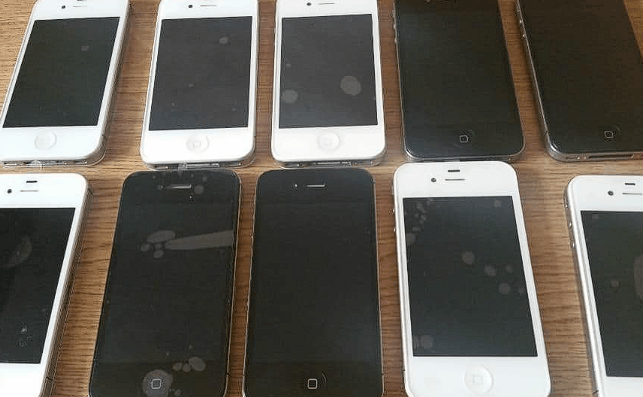
That question hits harder than most people expect. I’ve spent a decade in the mobile repair and device sourcing field, and I’ve seen people overthink this decision more than almost any other tech purchase. The truth sits somewhere between excitement and caution, and it depends heavily on how you evaluate value versus risk.
New phones come straight from the manufacturer, untouched, with full battery health and zero hidden history. Refurbished phones, on the other hand, are previously owned devices restored to working condition, sometimes by manufacturers, sometimes by third-party technicians. Some are nearly flawless. Others carry small compromises that aren’t always visible at first glance. Let’s be real, the gap between “refurbished” and “like new” can vary wildly depending on who did the refurbishing work.
You should think in terms of three things: reliability, cost savings, and future resale value. New phones win on reliability almost every time. Refurbished phones win on affordability, sometimes cutting costs by 20% to 50%. Resale value is tricky; new devices depreciate faster initially, while good refurbished units stabilize earlier. Let’s be real, people rarely keep phones more than 2–3 years anyway, so long-term ownership logic changes everything.
Comparison Table:
| Factor | New Phones | Refurbished Phones |
|---|---|---|
| Price | High | Lower (20–50% less) |
| Condition | Perfect factory state | Restored, varies by seller |
| Warranty | Full manufacturer warranty | Limited or seller-based |
| Risk Level | Very low | Moderate depending on source |
| Value Retention | Drops fast early | More stable after purchase |
Hidden risks don’t always show up on day one, and that’s where buyers get surprised. One issue I see often is replaced parts that are not original, especially screens and batteries. These can affect performance over time, even if the phone looks perfect at purchase. Another concern is software lock or previous ownership traces that aren’t fully cleared, which can block updates or services later. From experience, this is rare with certified refurbishers but common in unverified sellers.
Different users, different outcomes, and I’ve seen both sides repeatedly in real-world buying decisions. If you’re someone who upgrades frequently, say every year or so, new phones make more sense because you benefit from trade-in programs and maximum resale value. But if you prefer stretching value and don’t chase every new feature, refurbished becomes a strong strategic choice. The mistake is assuming one option is universally better.
Before you decide, use a quick mental checklist I rely on when advising buyers. Check warranty length first. Then battery health. Then seller reputation. If even one of these feels weak, I usually recommend stepping back and reconsidering, because repair costs later often erase early savings. Simple rule, but it saves regret.
Ultimately, the better choice isn’t about the phone itself, but about your tolerance for risk and how you use your device daily. I’ve seen buyers regret both directions, but rarely for the reasons they expected at the start of the purchase journey. That’s why understanding your own usage pattern matters more than chasing labels like “new” or “refurbished.”
You know what surprises most buyers? It’s not the price difference. It’s how quietly expensive mistakes happen after the purchase.
A phone doesn’t fail loudly at first. It whispers problems. Slight battery drain. A camera that feels “off.” Random heating during normal use. I’ve seen people ignore these signs for weeks because the device still looks brand new. Then reality hits. Hard.
Refurbished phones sit in that gray zone where quality depends heavily on who touched them last. Apple-certified or Samsung-certified refurb units are a different league compared to random marketplace refurbishers. One is controlled, tested, and standardized. The other can be… let’s just say “creative” with repairs.
Battery health is the silent deal-breaker. Always. A phone can pass every cosmetic check and still disappoint you daily if the battery was poorly replaced or not calibrated correctly. I usually tell people: anything below 85–90% battery health on a refurbished unit is already a negotiation, not a purchase.
Short sentence here. Don’t skip diagnostics.
Now, new phones remove most of that uncertainty. You unbox, you use, you trust. Simple. But that simplicity comes at a premium, and not everyone actually needs it. If your usage is basic—calls, social media, light photography—you’re paying extra for assurance you might never fully use.
Let’s break it down clearly.
Pro vs Cons List: Refurbished Phones
Pros:
- Lower upfront cost, often significantly
- Access to higher-end models at mid-range prices
- Environmentally smarter choice (less e-waste)
- Good value if certified refurbisher is reputable
Cons:
- Battery condition may vary
- Shorter or weaker warranty coverage
- Hidden part replacements (screen, camera, etc.)
- Slight risk of faster wear over time
A pattern I’ve noticed after years in the field: people overestimate how much “newness” they actually need. They want peace of mind, but they also want savings. Those two don’t always align cleanly.
Truth be told, most buyers don’t actually evaluate the seller properly—they evaluate the price first and justify it later. That reversal is where regret starts creeping in.
Here’s an expert-level filter I personally use when advising clients:
- If the refurbisher cannot show battery cycle count, walk away.
- If warranty is under 3 months, treat it as risky unless price is extremely low.
- If parts are “OEM compatible” but not original, assume slight performance trade-offs.
- If the phone is heavily discounted but “almost new,” question why—not every deal is a blessing.
New phones, meanwhile, carry their own quiet drawback: depreciation. Fast and brutal. You can lose a big percentage of value in the first year alone, even if you barely use it. That’s why some people feel like they’re “renting prestige” rather than owning value.
There’s also psychological comfort involved. A new phone feels clean, untouched, and predictable. A refurbished one feels like a calculated decision. That emotional gap matters more than people admit during purchase.
Let’s be real, the “better choice” is not universal. It shifts based on your patience, your risk tolerance, and how long you actually plan to keep the device before upgrading again.
If you want, I can go deeper next into which brands are safest for refurbished buying and which ones to avoid entirely.
Ever bought something that looked like a smart deal… until you realized the brand itself made all the difference?
That’s exactly where most people misjudge refurbished phones. They think condition matters most. It matters, yes, but the brand ecosystem matters just as much—sometimes more. I’ve repaired, tested, and resold hundreds of devices over the years, and patterns become painfully obvious after a while.
Some phones age gracefully. Others fall apart in silence.
Apple is the obvious benchmark. Refurbished iPhones tend to hold up better because parts, software support, and diagnostics are tightly controlled—especially if the unit is certified refurbished. Samsung is a mixed bag: flagship models refurbish well, but mid-range devices sometimes show inconsistent battery and display behavior after repair cycles. Other Android brands vary wildly depending on regional parts availability.
Short truth here: ecosystem control = predictability.
Now, here’s where experience really matters. I’ve seen buyers chase low prices on lesser-known brands thinking they’re “getting the same thing cheaper.” That’s rarely how it plays out. Repair history becomes messy, spare parts become inconsistent, and software updates don’t always behave after hardware changes.
Let’s break it down more clearly.
Pro vs Cons List: New Phones (Brand Reality View)
Pros:
- Guaranteed original parts
- Full software optimization from day one
- Maximum resale value retention
- Stable long-term updates (especially flagship models)
- No repair history uncertainty
Cons:
- High upfront cost
- Rapid depreciation in first 12–18 months
- Paying premium for early access to features
- Minor improvements yearly (not always worth upgrade)
Now compare that to refurbished buying behavior across brands.
Apple refurbished devices usually feel closest to “new experience.” Samsung refurbished can be excellent if sourced from official or trusted refurbishers, but inconsistent otherwise. Budget Android phones? That’s where risk multiplies quickly, especially if you’re not sure about original vs replaced components.
Let’s pause on something important. Battery replacements are not equal across brands. Some phones handle third-party batteries fine. Others trigger performance throttling or inaccurate health readings after replacement. I’ve seen users blame the device when the real issue was mismatched components installed during refurbishment.
Expert tip from the field:
- Always check update eligibility period before buying refurbished.
- If a phone has less than 2–3 years of software support left, its “cheap price” stops being a benefit quickly.
- Avoid refurbished devices that already passed multiple owners unless full service history is documented.
There’s also a behavioral pattern I see repeatedly. People buying new phones tend to overvalue features they don’t use. People buying refurbished phones sometimes undervalue reliability they do need. Both sides are biased, just in different directions.
A useful mental shift is this: don’t compare “new vs refurbished.” Compare predictable experience vs optimized savings.
Truth be told, the smartest buyers I’ve worked with don’t chase labels at all. They ask a different question: How much inconvenience am I willing to tolerate if something goes wrong?
That answer decides everything.
If you want, I can continue next with a real-world decision framework—like a step-by-step checklist I use when helping someone choose between new and refurbished in under 5 minutes.
What if I told you most people don’t actually choose between new and refurbished phones—they accidentally end up with one after emotional pressure kicks in?
That happens more than you’d think. Fast decision. Slow regret.
I’ve watched this pattern for 10 years in the field. People walk in with a budget. Then marketing, peer influence, or a “too good to ignore” listing pushes them off track. By the time they realize what mattered, the purchase is already done.
So let’s make this practical. No fluff. Just how I actually guide someone in real time when they ask me: “Which one should I buy?”
First, we simplify the decision into three questions:
- How long will you keep the phone?
- How sensitive are you to risk?
- How tight is your budget, really?
Short answers. Not emotional ones. Honest ones.
Now here’s a simple decision framework I use in consultations.
Phone Choice Decision Matrix
| Situation | Better Choice |
|---|---|
| Want zero risk, long usage (3–5 years) | New Phone |
| Want flagship experience at lower cost | Refurbished (Certified only) |
| Plan to upgrade every 1–2 years | Either works (depends on deal) |
| Tight budget but need performance | Refurbished |
| Business or critical daily use | New Phone |
| Experimenting with secondary device | Refurbished |
This isn’t theory. It’s field-tested buying behavior.
Now, let’s add something most people ignore completely: repair psychology. When a new phone breaks, users feel frustrated but supported. Warranty helps. When a refurbished phone breaks, even slightly, users feel betrayed—even if the device was technically working fine at purchase. That emotional gap changes how people perceive “value.”
Let’s be real, perception often outweighs specs in real life usage satisfaction.
Here’s how I break it down even further when someone is stuck:
Step-by-step personal checklist (my go-to method):
- Do I need this phone to be 100% reliable daily?
- Am I okay with small unknowns if I save money?
- Is the seller transparent about repairs and battery health?
- Can I afford a sudden repair if something goes wrong?
- Will I upgrade soon anyway?
If more than two answers feel uncertain, I usually recommend new. Not because refurbished is bad, but because uncertainty itself has a cost people forget to price in.
Expert insight from real-world repairs:
- Most refurbished “failures” aren’t immediate—they appear after 2–6 months.
- The most common weak point is battery + display pairing mismatch.
- Software updates sometimes expose hidden hardware instability in refurbished units.
New phones avoid all that. But again, you pay upfront for stability you might not fully need.
Here’s the final mental shift I always share:
Stop asking “Which is better?”
Start asking “Which type of risk am I comfortable living with?”
Because that’s the real trade-off. Not price. Not specs. Not hype.
Expert Tips (field-tested):
- Always prioritize seller reputation over discount size.
- Check return window before checking camera quality.
- For refurbished, assume 10–20% hidden variability in performance.
- For new phones, expect faster depreciation than you emotionally planned for.
- If unsure, choose the option that causes less stress after purchase—not before it.
And one last thing I’ve learned the hard way after years of handling returns and repairs: the “perfect deal” usually doesn’t exist. The right choice is the one that breaks your expectations the least when real life happens.
That’s the part most buyers only understand after the money is already spent.